
Downtown & established core
Older homes, a more traditional street grid, local businesses, O’Fallon Station and community events.
O’Fallon does not have one single “best” neighborhood. The better question is which part of the city makes your daily life easiest—downtown walkability, a mature subdivision, newer construction, Scott AFB access, school boundaries or interstate convenience.
Older homes, a more traditional street grid, local businesses, O’Fallon Station and community events.

Traditional Midwestern subdivisions, mature landscaping, attached garages and easy access to schools and shopping.
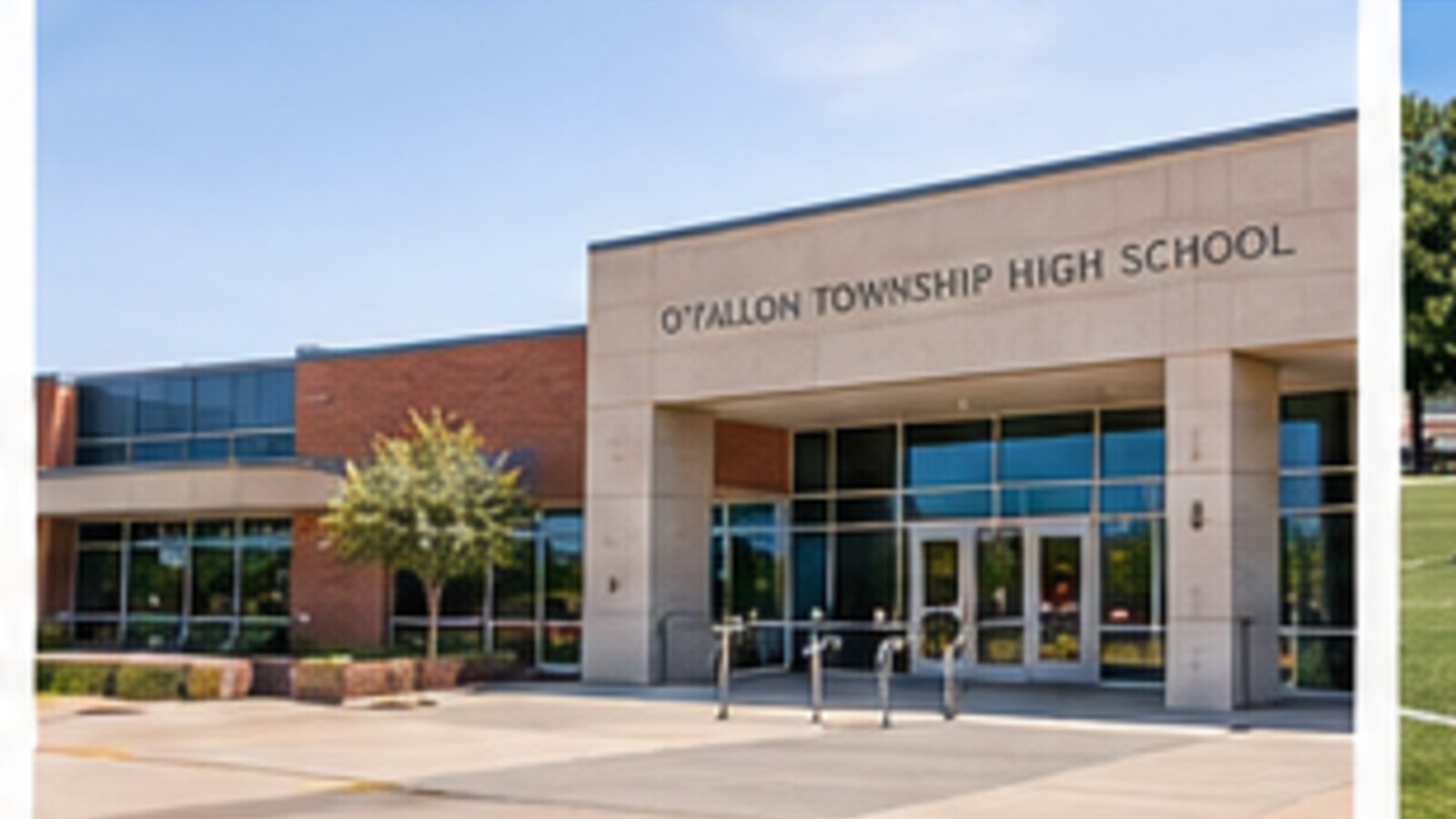
Larger floor plans, newer construction and growing residential pockets near the city’s edges.
Look closer to the Downtown District and O’Fallon Station. Homes tend to be older and more varied, but the tradeoff is proximity to local businesses, events and the Vine Street Market.
Much of O’Fallon’s appeal comes from established subdivisions with attached garages, yards, sidewalks or cul-de-sacs, and convenient access to schools, parks and shopping.
The city continues to add housing, particularly around developing edges and major corridors. Newer homes can mean modern floor plans and lower immediate maintenance, but usually less mature landscaping.
For Scott AFB households, east-side and southeast-side access can matter. For St. Louis commuters, proximity to I-64 may matter more. Test the route at the time you would actually drive it.

Start with your daily routes: Scott AFB, St. Louis, schools, recreation and shopping. Then layer in the things that are harder to change after you buy—lot size, street pattern, age of the home, school boundaries and proximity to the interstate.
For relocating buyers, this is where a strong local agent earns their value. A subdivision name alone rarely tells the whole story; two homes only a few miles apart can offer very different commutes, tax bills, school paths and neighborhood character.
Tell us what matters to you →